HiFi System 1 (A3HF1)

A3HF1 – Compact HiFi System

Pair of A3SP1 bookshelf loudspeakers, A3IA1 integrated streaming amplifier with digital crossover and 5m audio cables. Expected to ship Nov 2026.

£9,950.00 / System

Pound sterling (£) - GBP
  • Pound sterling (£) - GBP
  • Euro (€) - EUR
  • United States dollar ($) - USD

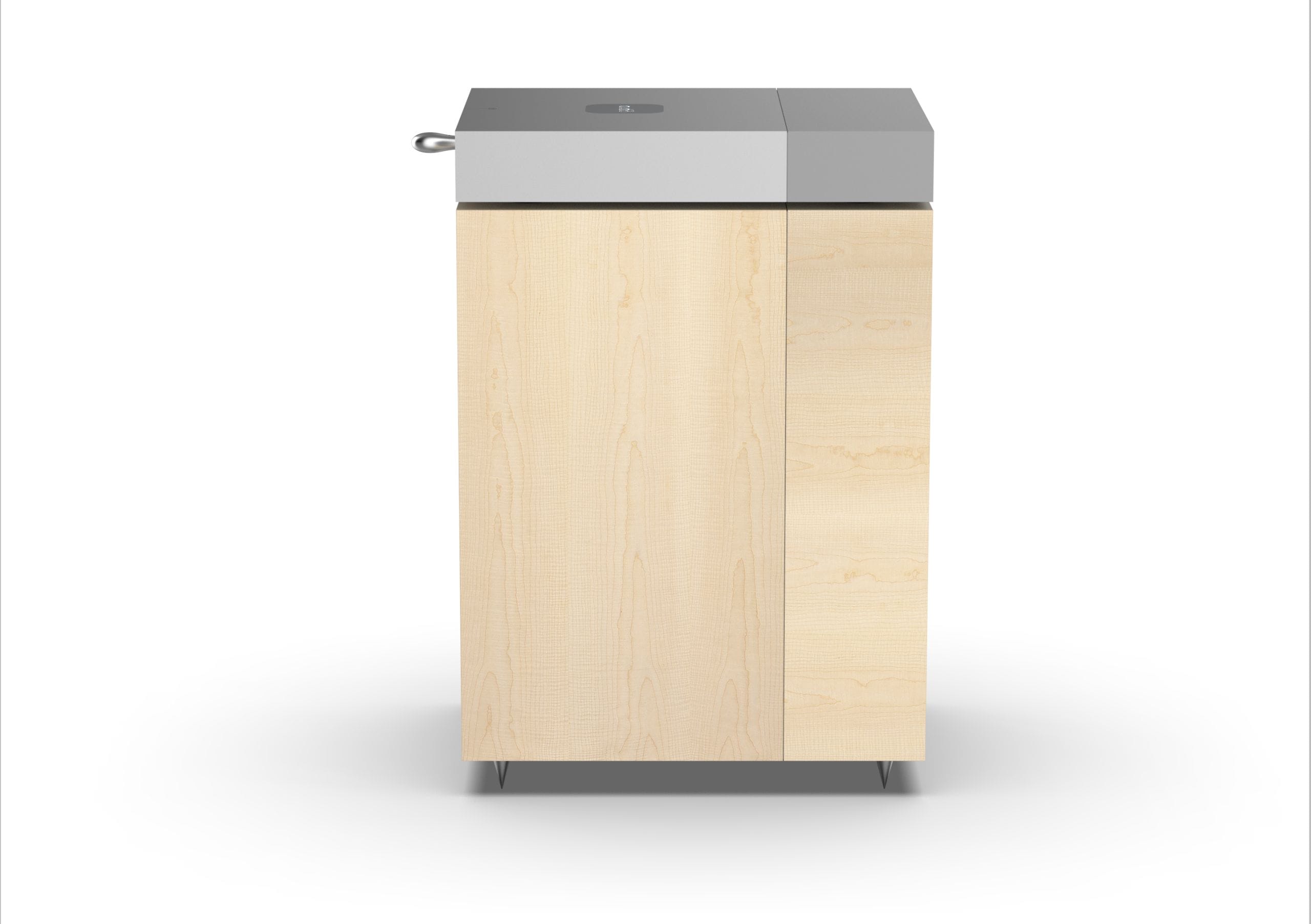
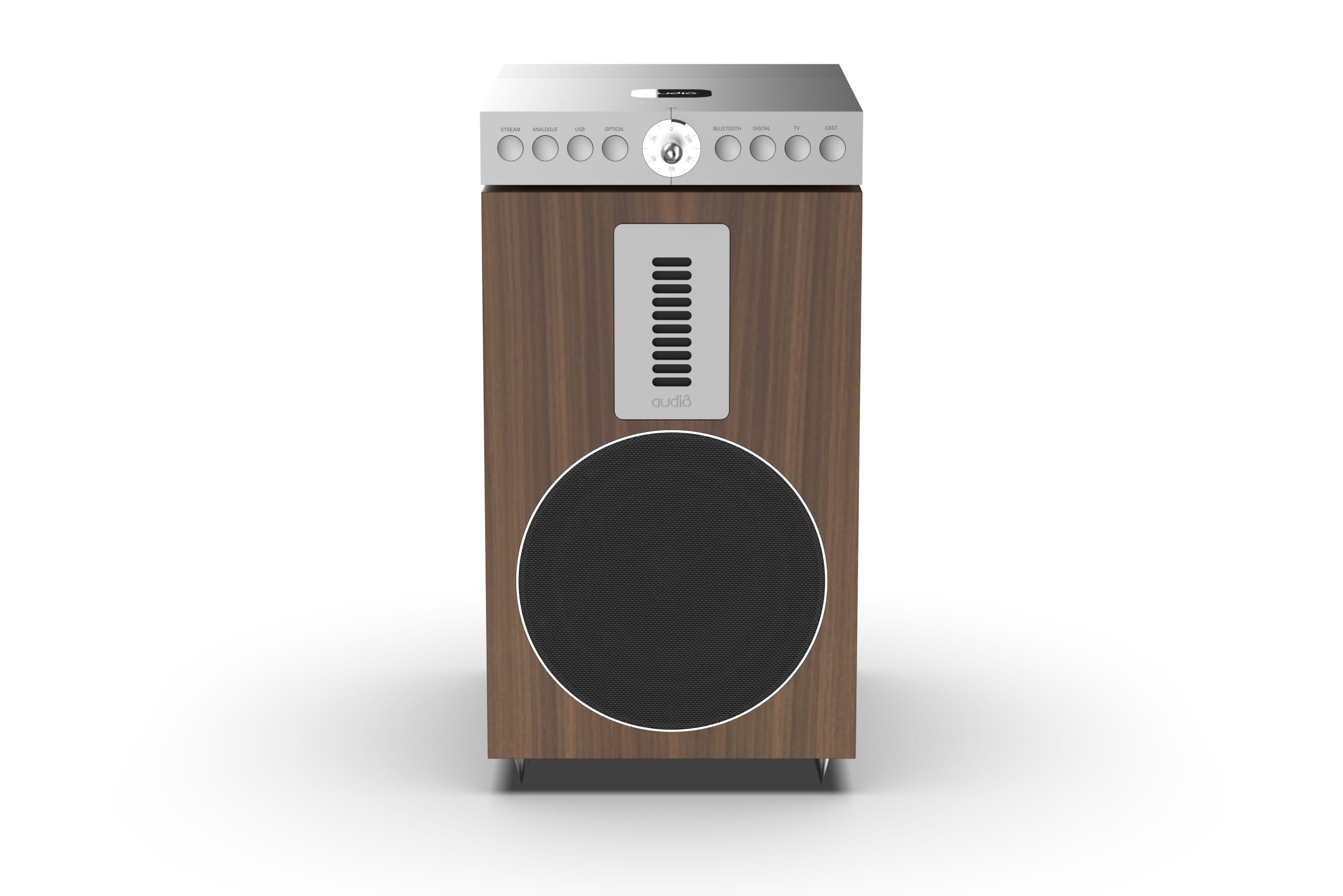
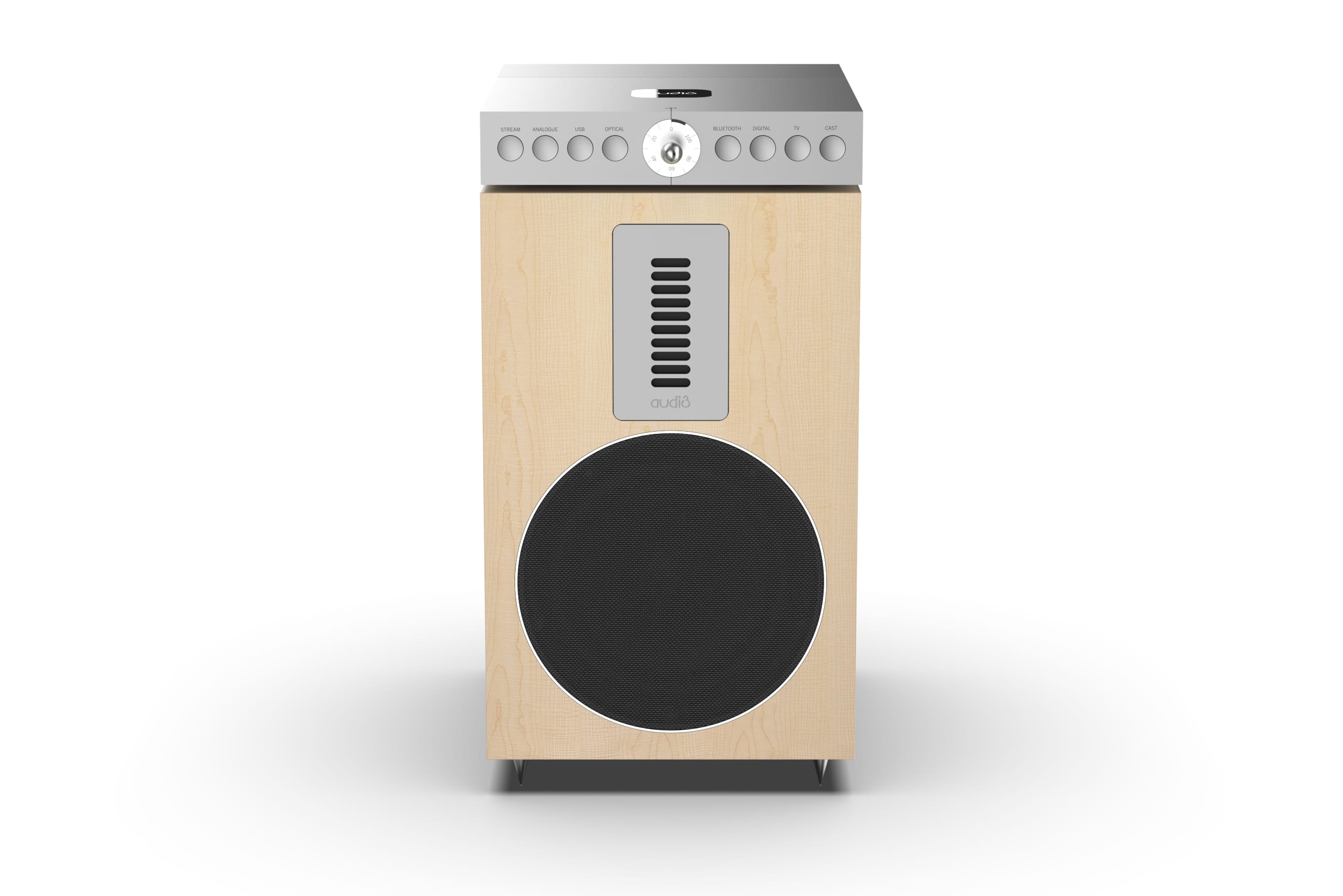
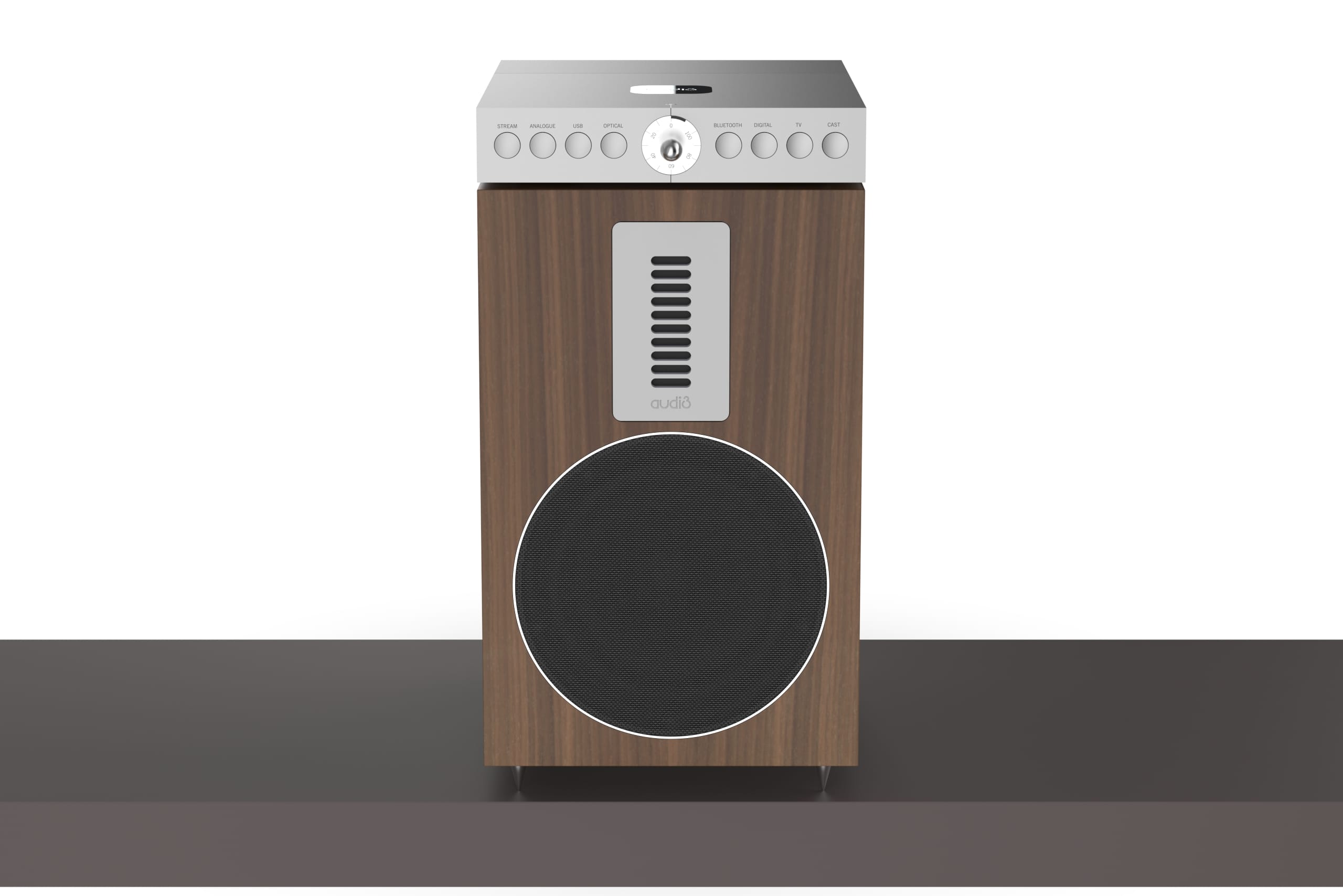
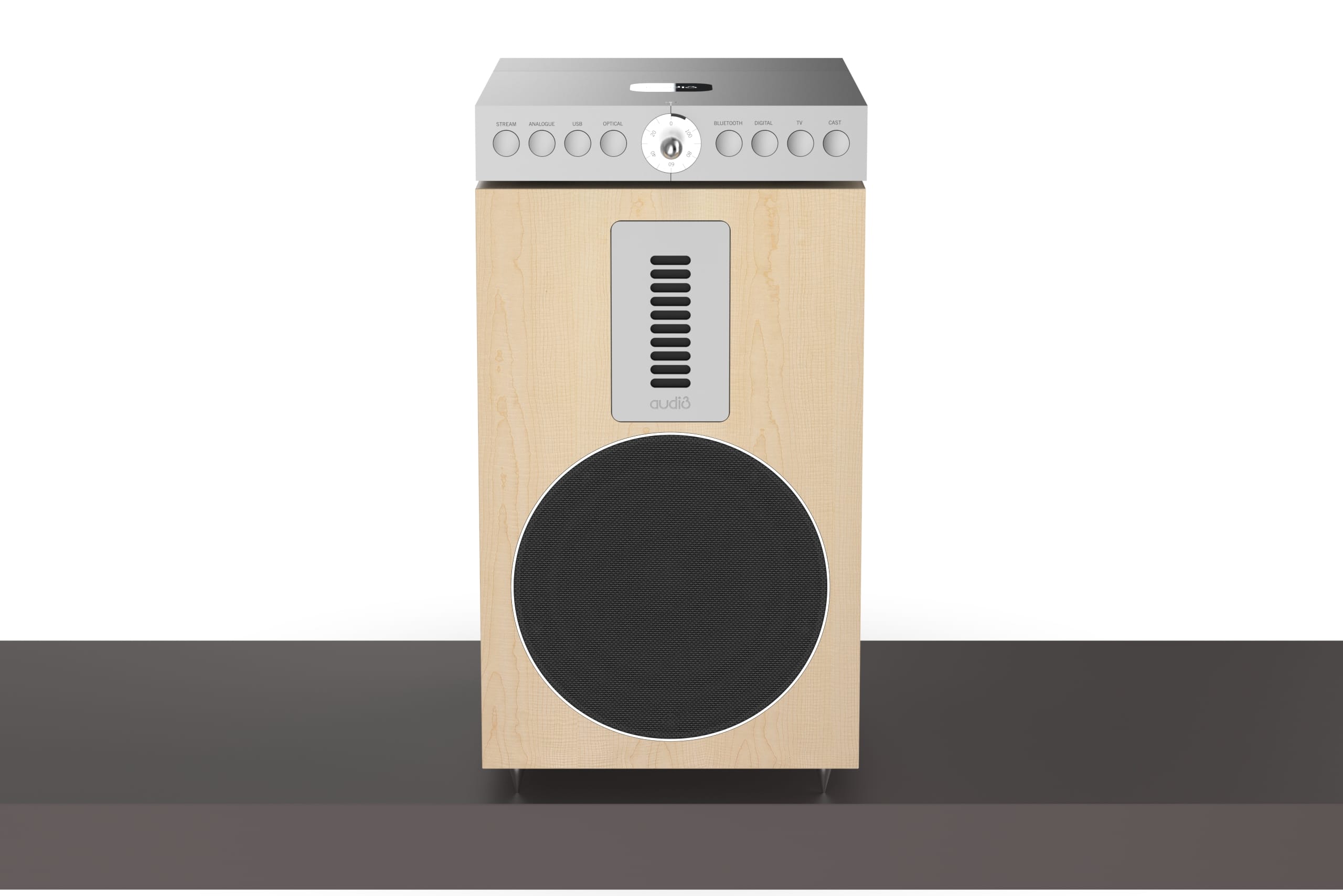
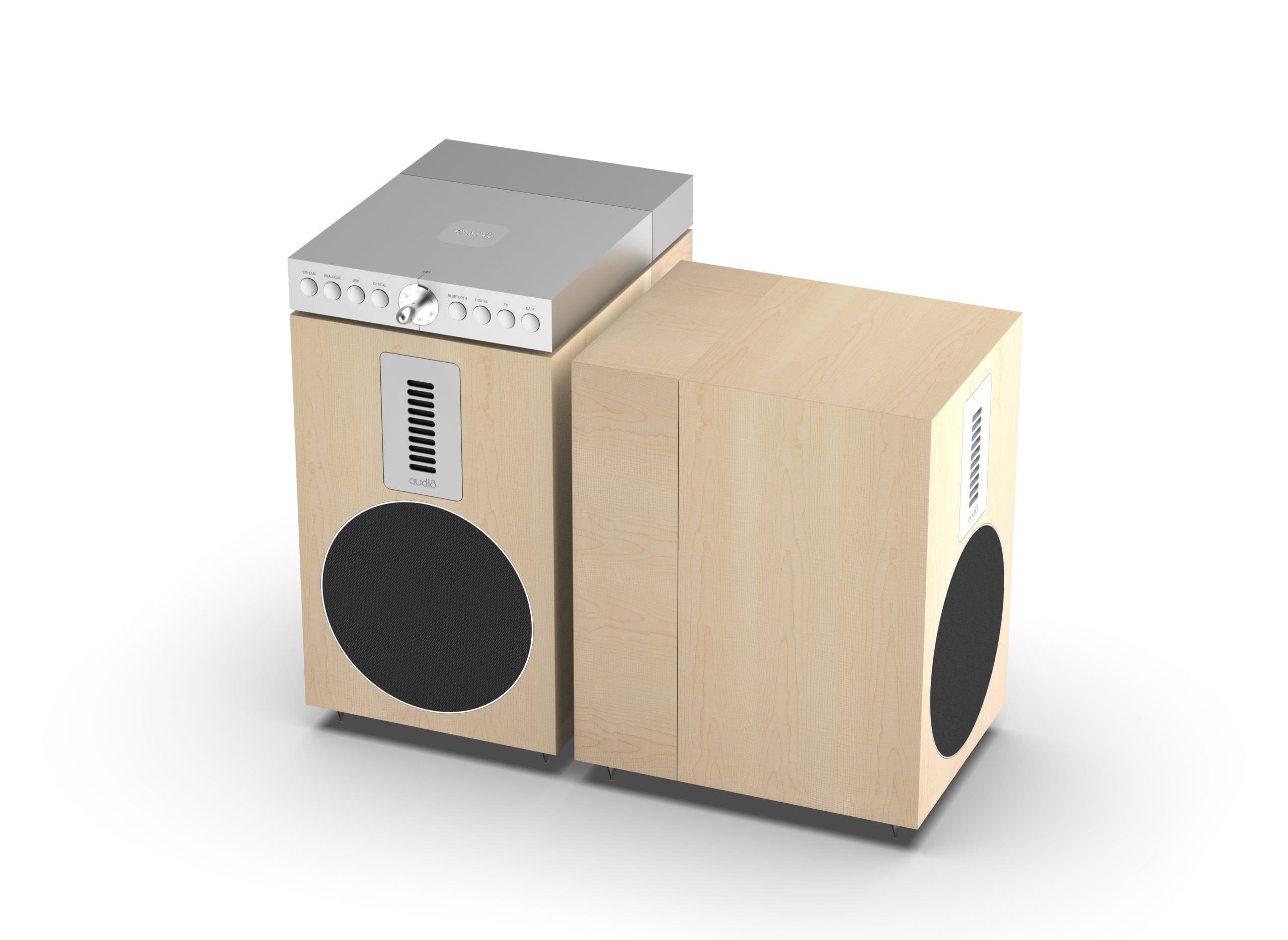
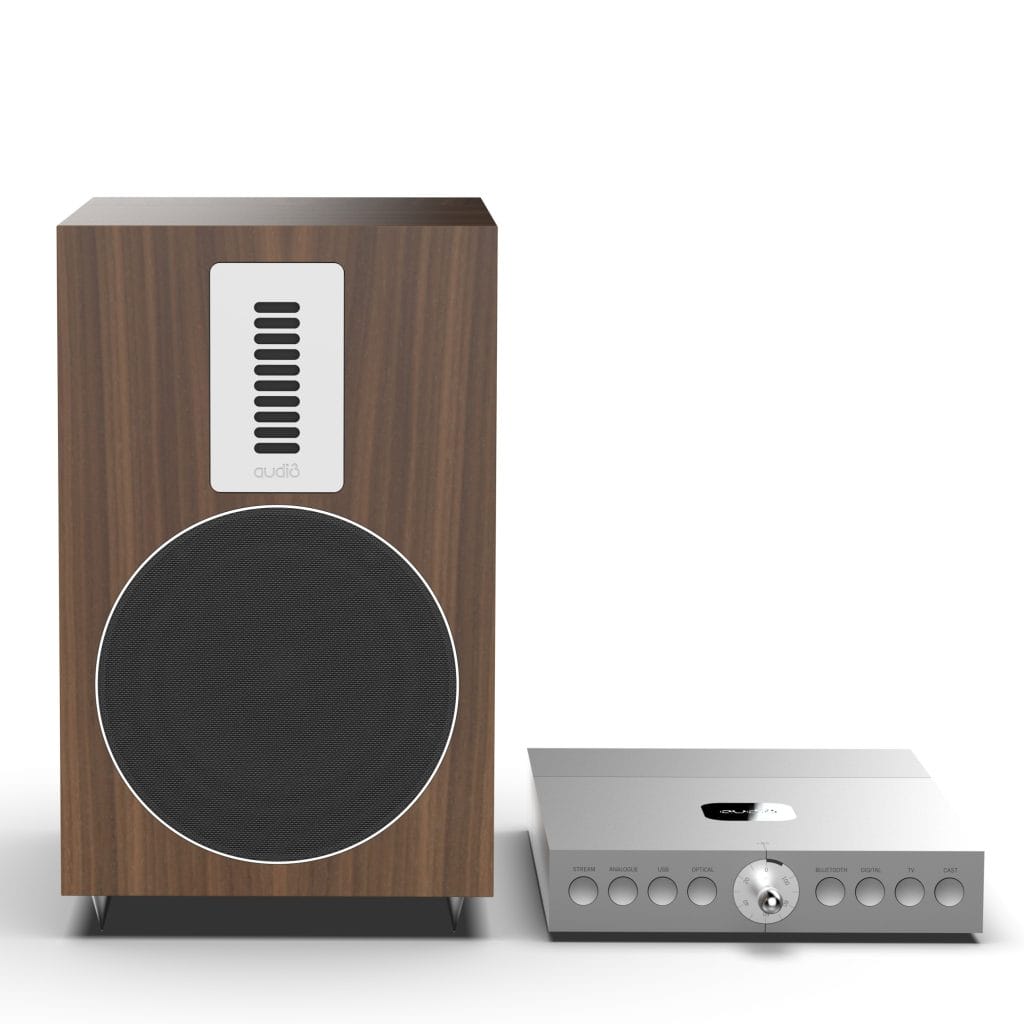
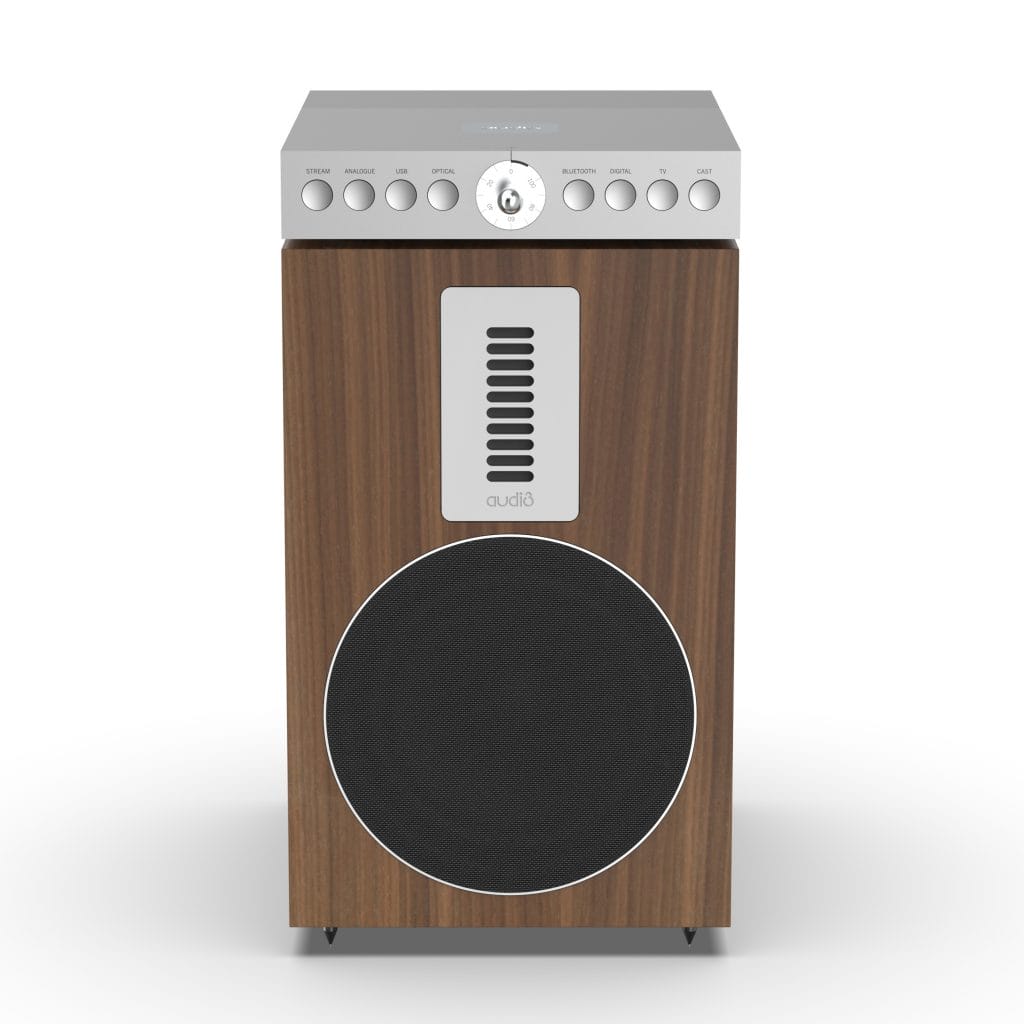
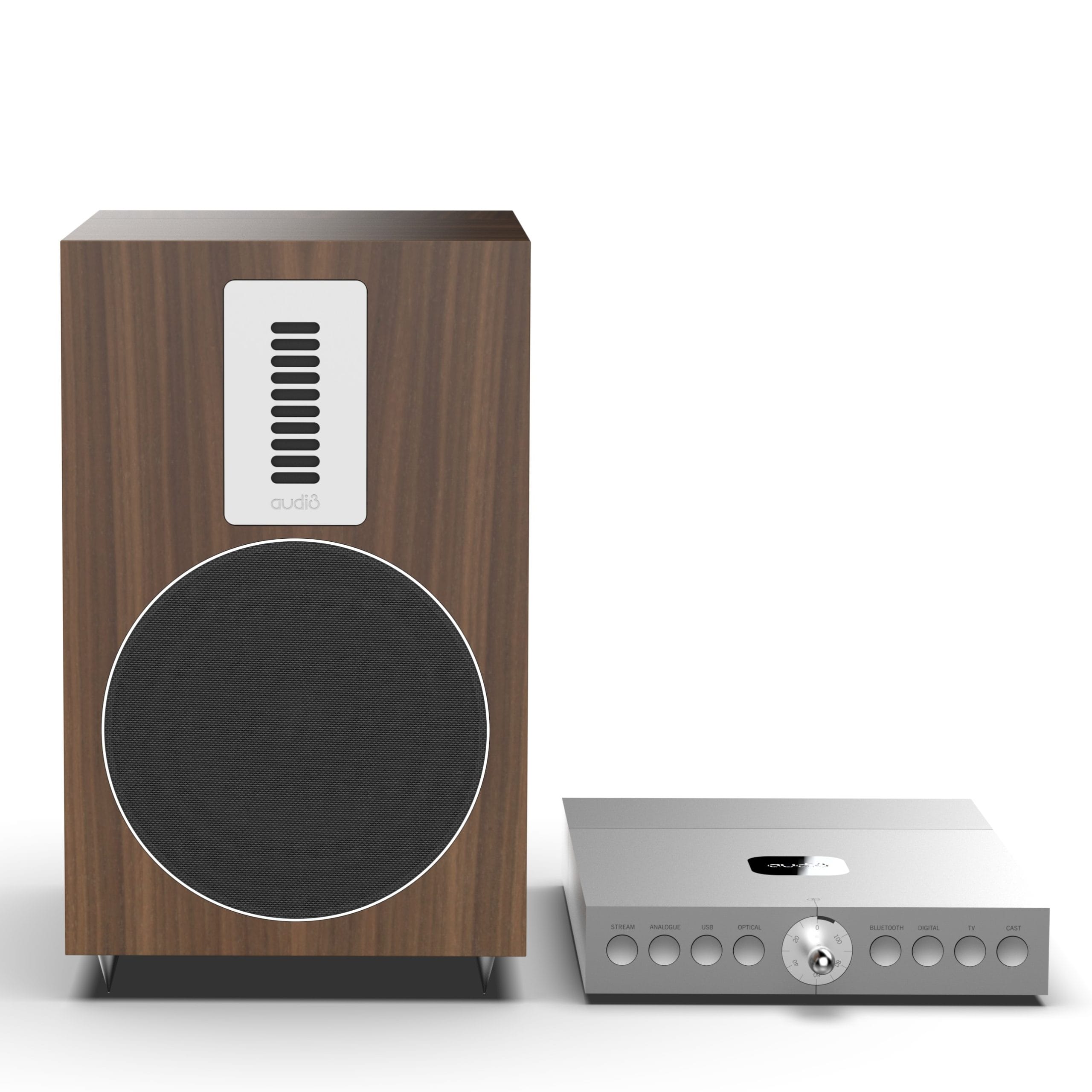
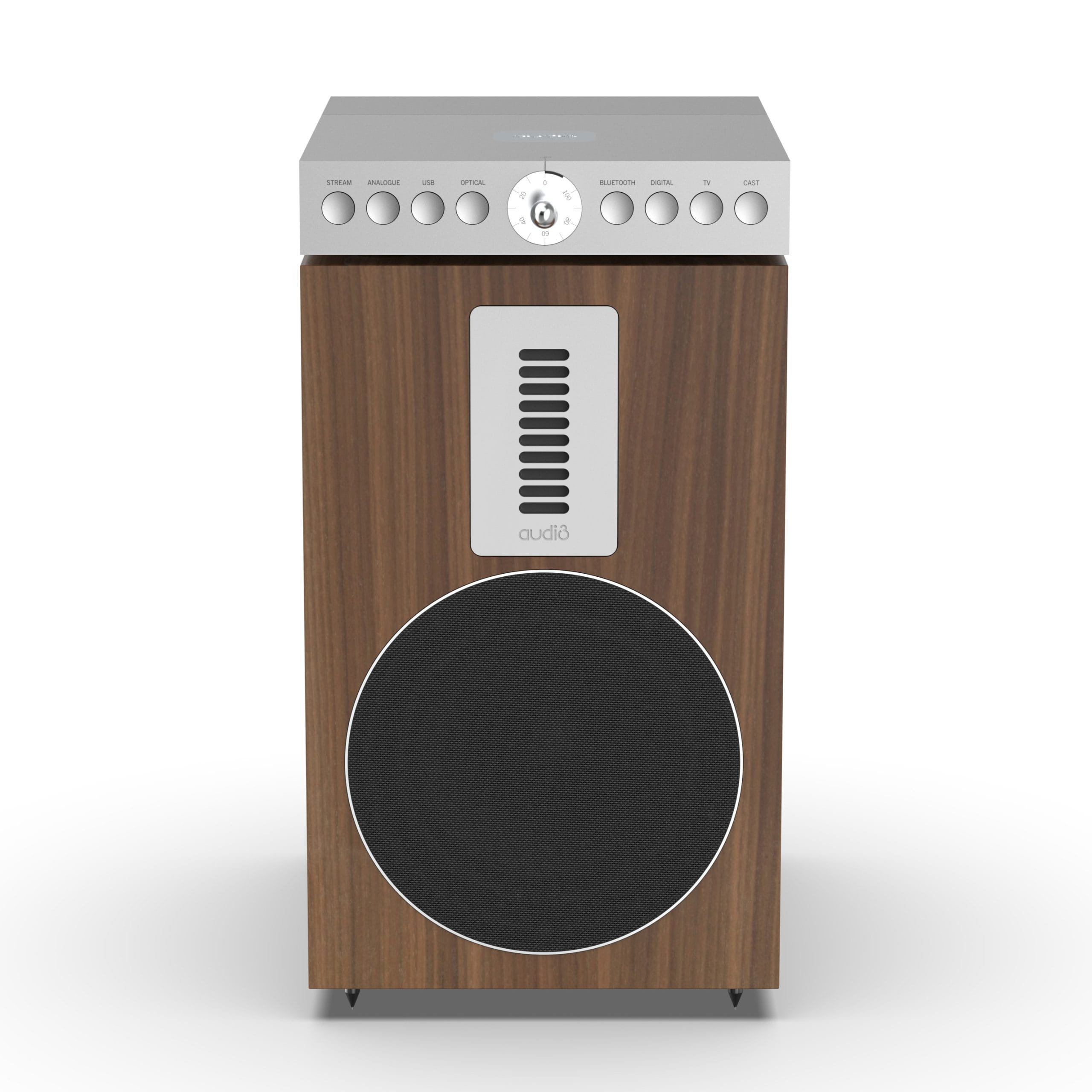
The A3HF1 is a compact HiFi system that combines a pair of A3SP1 active bookshelf loudspeakers, our A3IA1 integrated streaming digital amplifier/crossover, cables and (optionally) our A3SS1 ‘hidden wire’ stands. All these elements have been designed to work together to deliver outstanding sonic performance, operational simplicity, and a refined visual design. Although simple to operate, it can still stream all your music over WiFi via Spotify/Quboz Connect or Airplay, just press the Stream button and look for it on your network. The A3HF1 is ideally suited to smaller living spaces (≤25m2).

Features

  • A sonically pure, HiFi experience achieved through wholistic system engineering which allows us to eliminate problems at their source and to produce optimizations that cut across all components.
  • Digitally time-aligned drivers render transients faster than your ear’s impulse reponse (250us).
  • Simple but capable: Directly connect your TV, CD Player and Record Deck and/or steam over WiFi/Bluetooth.
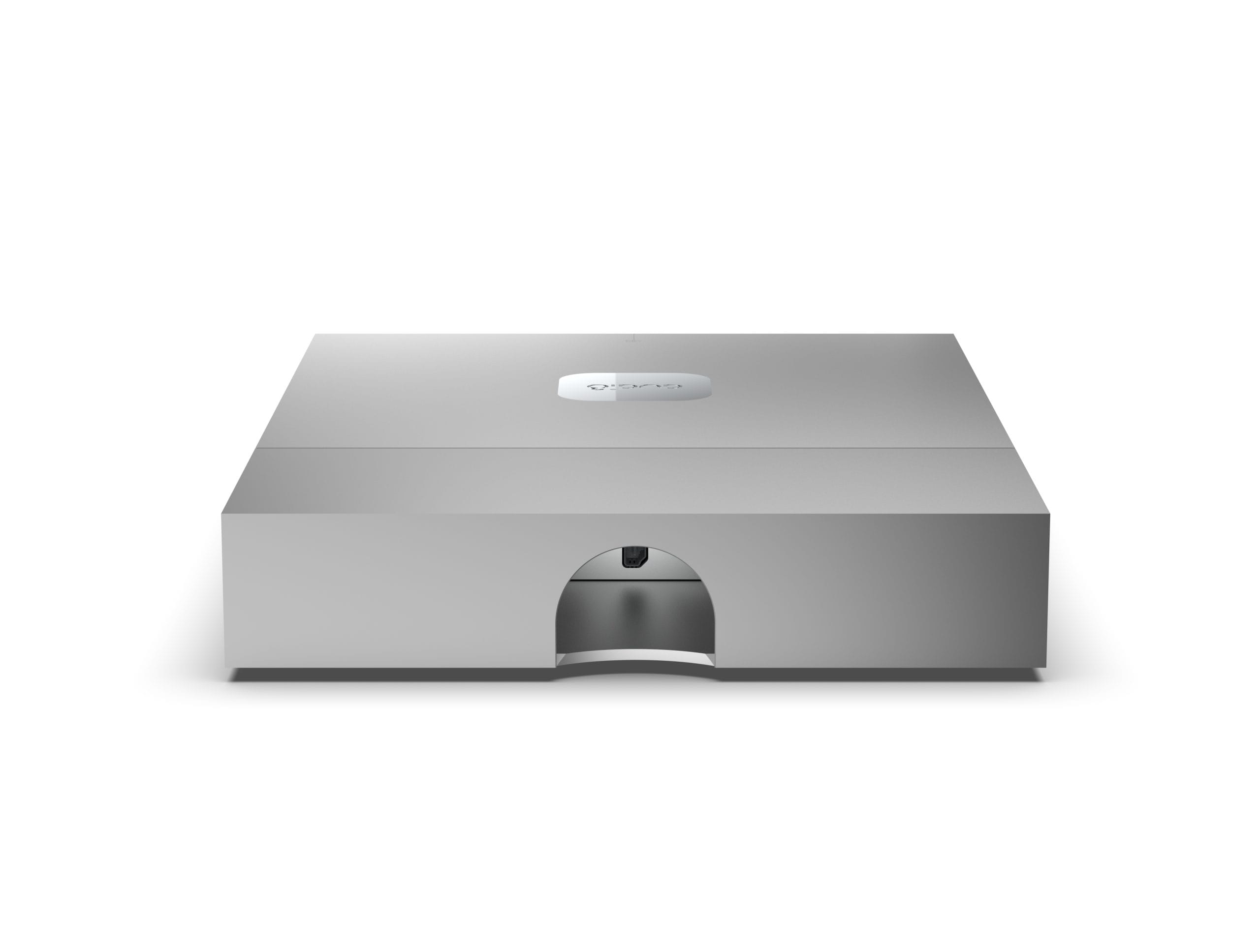
  • Bottom-mounted connectors and slim cablings allow the system to be placed against a wall or indeed on a bookshelf where space is limited.
  • Compatible with A3SS1 ‘hidden-wire’ speaker stands (recommended).

Integrated amplifier

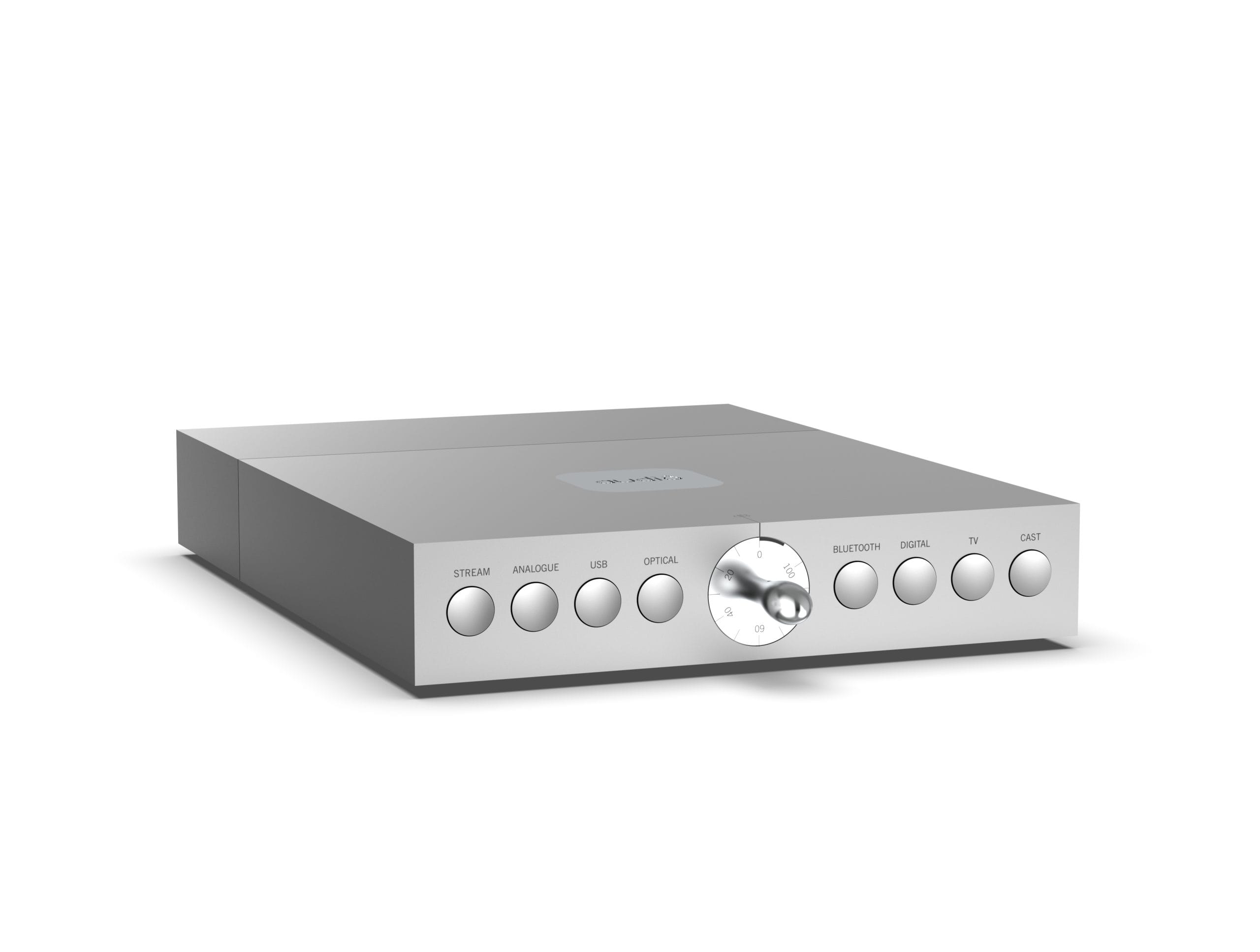
The audio3® A3IA1 provides 4 Class-D amplifiers, one for each system driver. It is the ‘brain’ of the A3HF1 system. It is designed be intuitive to operate—with most actions requiring one button press. The internal DSP provides the crossover, digitally aligns the drivers, and introduces light corrective EQ which is tuned to each set of speakers delivered so the amplifier is always perfectly matched to the speakers. Don’t let the small, ‘no display’ look fool you. This amplifier is loud and capable of streaming over WiFi via Spotify, Qobuz, and Airplay. And it supports TV/CD/Phono and Bluetooth LE Audio including Auracast.

Our motorized volume knob is direct response to the disappearance of indicator markings on today’s HiFi knobs. A volume knob with markings on it is the most intuitive way to control volume. Ours is unique because it is marked with calibrated dBSPL values.

  • Continuous monitoring of the current to the loudspeakers and then comparison of these measurement to internal system models prevents loudspeaker overdrive and limits distortion.
  • Sensible DSP bass enhancement compensates for system roll-off making the system sound ‘larger’ not muddy.
Cables

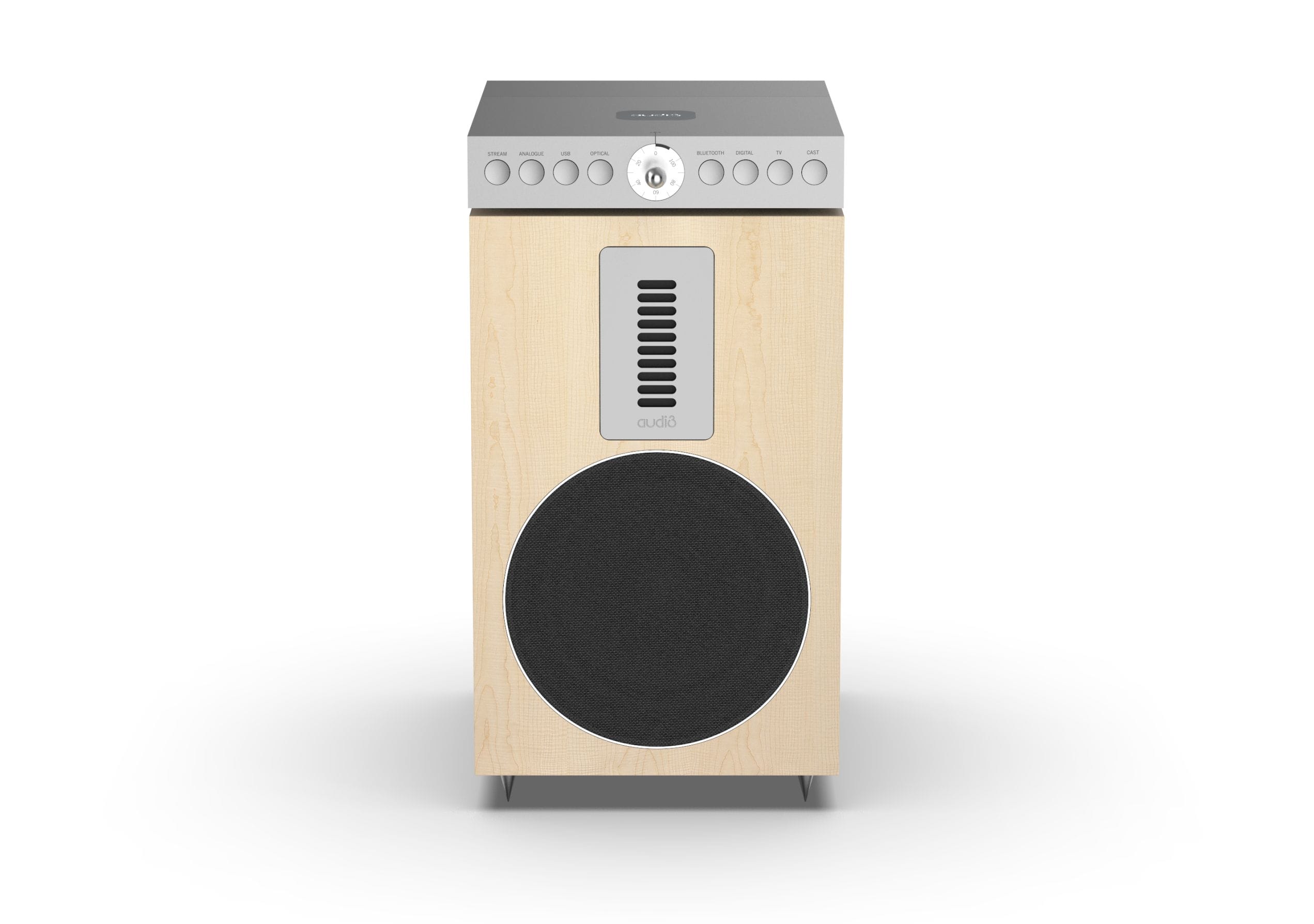
We provide bespoke cables to connect the loudspeakers to the integrated amplifier. Each cable carries 4 wires, 2 for the tweeter and 2 for the woofer. They have been designed to reduce crosstalk while being as thin as possible without affecting the sound. The loudspeaker’s higher impedance woofers were chosen such that the power-hungry low frequencies can be transmitted at lower currents thus reducing the size of these wires—a system engineering approach.

Active bookshelf loudspeakers

The audio3® A3HF1 active bookshelf loudspeakers are the heart of the system. They deliver music without colouration to let you re-live those concert moments as if you were there. They carry the same philosophy and design as the passive version. Without the internal crossover and due to the precise digital control of each individual driver by the integrated amplifier, the drivers are ‘time-aligned’ digitally and this allows them to give a truly crisp response—noticeable with percussion.

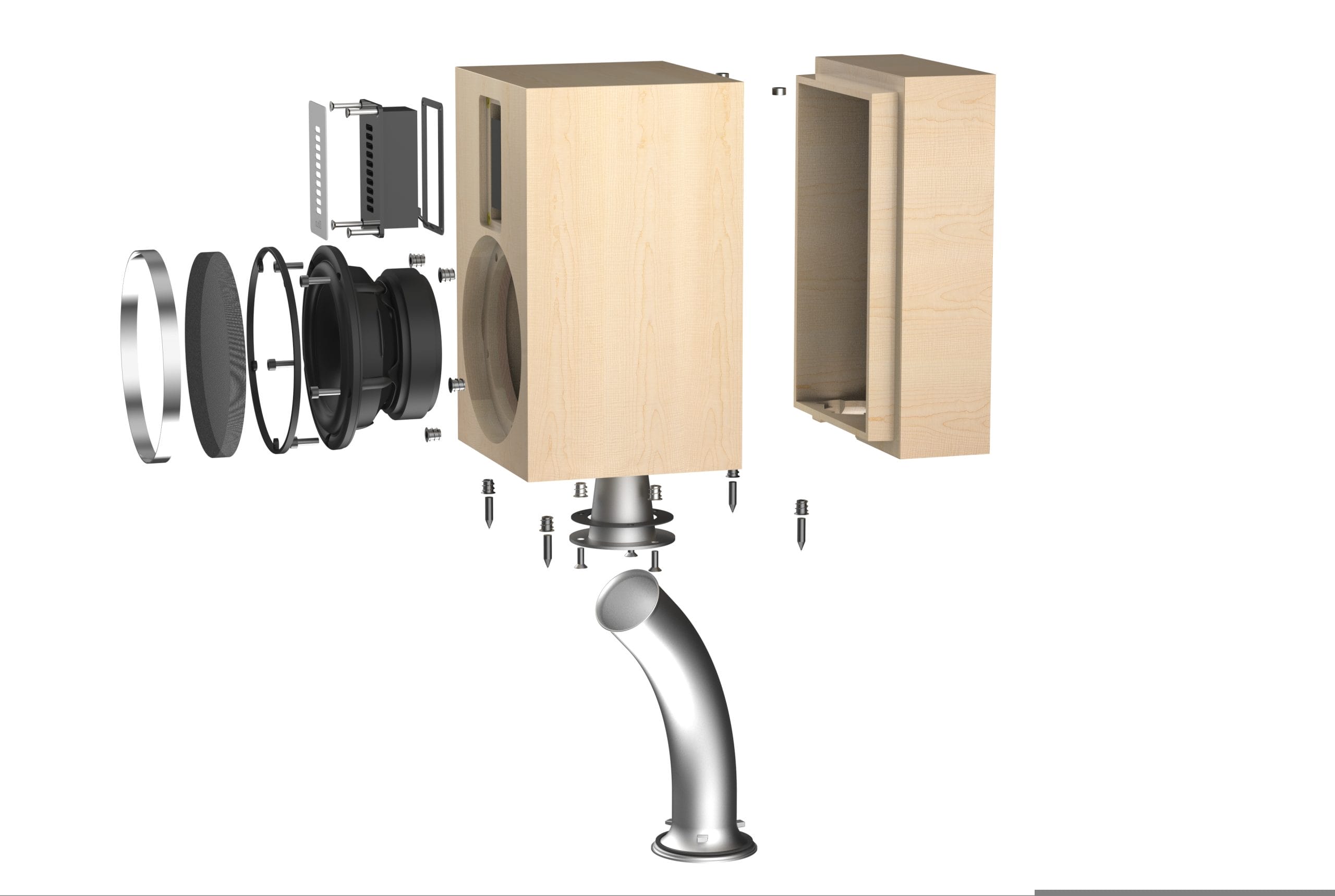
As with the passive design, the internal cabinets are made with high density fiberboard, internally damped to remove cabinet modes and re-enforced with extremely strong birch plywood at the drivers. Our unique internal curved port allows this design to remain compact but also have a large enough diameter port to prevent port noise.

Product Specifications

Specification

Type

2-way bass-reflex (ported) passive bookshelf/standmount loudspeakers

Frequency Response

72 Hz – 15 kHz (+/- 2.5 dB, on-axis at 0 deg. azimuth).

Sensitivity

87.0 dBSPL (2.83 V/1m)

Impedance

4 Ω (woofer), 4 Ω (tweeter)

Crossover

External Digital MaxFlat™ 2nd order
Butterworth (3300 Hz) via A3IA1.

Cabinet

15mm (excluding veneer) High Density Fiberboard (HDF). Available in dark walnut or light sycamore.

Terminals

4 pin Mini-XLR (to digital crossover/amp)

Measurements

Dimensions

30.5* x 17.7 x 23.2mm
*including bookshelf feet

Weight

5.2 kg

Frequently Asked Questions

The analogue input sounds terrible, what is going on?

The analogue input has two input stages: (1) unfiltered line-in and (2) phono (for moving magnet cartridge record decks which make up the majority of decks). The switch on the rear of the device allows you to switch between these. The phono stage compensates for the filtering used on LP records (RIAA equalization curve) and therefore it incorporates the inverse filter for that. You definitely don’t want to apply that filter unless you are listening to Vinyl! So be sure it is set to Phono or not as appropriate.

Another common problem with analogue inputs is noise on the signal line, bad grounding for the single-ended input, or running a signal that is above line-level (2 Vrms) causing clipping.

Can I use your speakers on my desk for home studio music production?

Absoutely. These speakers were originally designed for audiology speech tests and are used for hearing diagnostics so they must and do provide excellent near-field response. If they fit on your desk, and you can position yourself properly which may include tilting them up (with the adjustable feet) so your ears are on-axis, they will be perfect for a home studio—but don’t turn it up too loud and take ‘quiet coffee breaks’ so you can have years of great production ahead of you.

Your speaker have a relatively high crossover point and the tweeter and woofer are too far apart aren’t they?

Our speakers cross over at 3300-3400 Hz with a smooth roll-off filters. The advantage of this is that there are less components between the music and you. As a consequence of using less components, there is also less phase disturbance. The drawback is that it does mean that that both the woofer and tweeter are contributing to the sound together, expecially near the crossover frequency, and this can (and does) cause vertical off-axis problems. We addressed this by using a large 80mm vertical tweeter which acts more like a ‘line-source’ than a ‘point-source’ given better veritical dispersion and also by putting the tweeter as close as we dared to the woofer while maintaining the rigidity of the front facia. We have made our best compromise. In addition, these small bookshelf speakers are designed for smaller rooms where the direct-to-reverberant transition happens near the speakers (due to early wall reflections) which also helps reduce the area where this problem exists. Still, if you are planning to sit very near the speakers (e.g. in a home studio environment) it is best to sit with you ears at the same level as the speakers. We considered but didn’t use a ‘coaxial driver’ because the sound of the tweeter and woofer combination was, for us, a more important factor so we minimized the problem as best as we could.

How can your cables be so thin?

For our A3HF1 the cables are optimized for the system. This means that we can provide small light and flexible cables that you can hide. One system engineering trick we use is to not to use low impedance bass drivers. Since the majority of current goes to the woofer, using a higher impedance wooder reduces the current. In this case the power is delivered more by voltage, which is less sensitive to wire guage. It will still be loud enough, don’t worry.

Why don’t your speakers have internal bracing?

We tried several versions of internal bracing during development but each time it reduced the internal volume and we lost bass response. In a small system this was not acceptable. After much trial (and error) we moved to a sandwhich design using stiffer high density fiber board (HDF) replaceing the medium density (MDF) from the original design, increased the wall thickness to a full 18mm, and added a rubberized layer on the inside of cabinet. This was able to damp the cabinet while only increasing the outer dimensions by 3mm. So we just solved that problem another way and the bass response thanked us for it.

What internal sampling rate do you use?

We use a 48 kHz internal sampling rate. We made this decision for two reasons: (1) almost all mastered recordings are made in 48 kHz, so while upsampling these doesn’t hurt the original signal at all nothing is really gained by artificially doing this, (2) 48kHz allows the modern DSP processing (e.g. frequency filtering, bass enhancement, speaker current mointoring) we used in our designs. The argument for using a higher sampling rate like 96 kHz is that it is easier to make the final DAC output filters (which must be analogue) at because they can have shallower slopes. We believe we have made superb output filters for the 48 kHz signals so in the end using 48 kHz was a better choice for us.  

Where should I place these speakers?

Speaker placement is room dependent. The optimal placement will change based on the listening room, so try some things. We do recommend that you are seated centrally and equidistant from the left and right, ideally at a 45 degree angle for the best sound stage. Moving the speakers away from walls is best as walls tend to produce reflections and artificially enhance the bass (in some areas of the room).

When should I use the optical input and when should I use the coaxial digital input?

Both of these digital inputs have the same specifications, but one uses light and the the other uses normal electrical signals to transmit the digital signal. In general, if there is a long cable involved and you notice a problem on the digital coax input (RCA wired) this coud be becase it picked up noise that can corrupt the digital signal so in that case try changing to optical. In general we use the digital coax for a CD player to leave the optical available for a TV input.

Should I use an external ADC with your A3IA1 amplifier?

We provide a a high quality ADC on the analogue input channel and since we sample that using the same master clock used for the final DAC conversion, we recommend using the onboard ADC. If however you do have another ADC that you trust, using your own high-quality ADC connected to the coaxial digital input will give a great result too.

Should I use an external DAC with your A3IA1 amplifier?

The A3IA1 uses a Class-D amplifier which is a DAC in the output stage just before the speakers. Since each conversion between digital and analogue domains generates inaccuracies in the signal we do not recommend using an external DAC to keep the number of conversions to a minimum—which for all digital inputs should be once.

Can I use a turntable with this system?

Absolutely! We provide a high quality phono stage as part of the analogue input. Our phono stage is optimized for moving magnet cartridges. To activate this you need to press the phono button on the rear of the device.

Hear More.